Waterproof Film Faced Plywood: Understanding Moisture Resistance
Introduction
The phrase waterproof film faced plywood is common in product listings, but buyers should understand what it can and cannot mean. A formwork panel may be designed for repeated moisture exposure, yet plywood is still a wood-based product with vulnerable edges, cut sections, fastener holes, and damaged areas. Technical purchasing is clearer when buyers discuss bonding performance, film coverage, edge sealing, and site exposure instead of relying on one broad word.
How the Film Protects the Faces
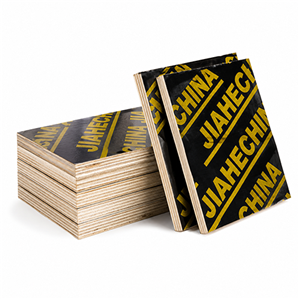
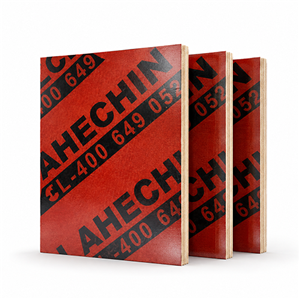
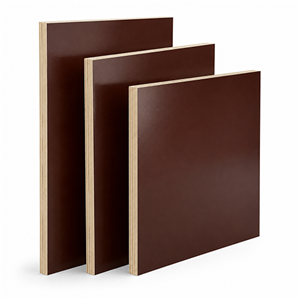
The resin-treated film creates a dense surface that reduces direct contact between wet concrete and the face veneer. When the film is intact and well bonded, it can help limit water absorption through the main faces. The protection is strongest on the coated area, not on exposed wood. Scratches, deep cuts, and worn film reduce this barrier.
Why Edges Are More Vulnerable
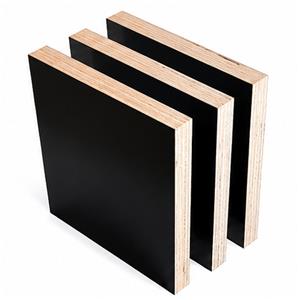
The edge shows the ends of multiple veneer layers and can absorb moisture more readily than the film-covered face. Manufacturers commonly apply edge paint or sealer to the original perimeter. When contractors cut panels, the new edge should be resealed. Drill holes and damaged corners also need attention. This is one of the most important practical points behind waterproof film faced plywood claims.
Bonding Between Veneers
Moisture resistance also depends on the adhesive system and how well it is cured during production. If veneers are poorly bonded, moisture and repeated site cycles can lead to delamination. Ask the supplier for a clear description of the adhesive or bonding grade and any relevant test evidence. Avoid assuming that a specific film color proves the bonding quality.
Standing Water and Long-Term Exposure
Formwork panels are designed for construction use, not permanent immersion. Leaving panels in puddles, placing them directly on wet ground, or storing wet sheets in tightly sealed stacks for long periods can accelerate damage. Proper drainage, drying, edge protection, and covered storage are important even for panels marketed as moisture resistant. How to store film faced plywood explains practical storage methods.
How to Specify Moisture Resistance
If your project has a required standard or test method, include it in the purchase specification. Otherwise, define the intended use and exposure conditions, then ask the supplier to recommend a suitable bonding and film construction. For quality control, inspect the core, edge sealing, film adhesion, and panel condition before shipment. Use film faced plywood quality inspection checklist to record acceptance criteria.
Conclusion
Waterproof film faced plywood should be understood as a moisture-resistant formwork panel whose performance depends on film, bonding, edges, and handling. No surface film can protect an unsealed cut edge or a deeply damaged corner. Clear specifications and correct site practices are the best way to achieve reliable performance in wet concrete environments.