Film Faced Plywood Sizes and Thicknesses Explained
Introduction
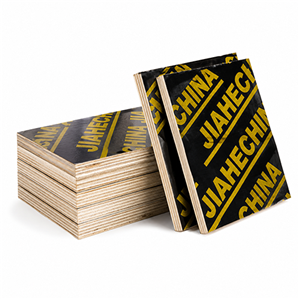
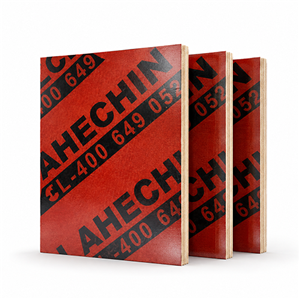
Film faced plywood sizes vary by market, formwork system, transport method, and factory capability. Although 1220 x 2440 mm is a common international panel size, buyers also purchase other dimensions and thicknesses for modular systems or regional construction practices. Correct size selection can reduce cutting waste, improve installation efficiency, and help control formwork costs.
Common Panel Dimensions
The 1220 x 2440 mm format is widely traded because it aligns with a common 4 x 8 ft panel concept. Some markets also use 1250 x 2500 mm or other metric sizes. Special sizes may be available, but custom production can affect minimum order quantity, price, lead time, and container loading efficiency. Before ordering a special dimension, calculate whether reduced site cutting offsets the additional production cost.
Common Thicknesses
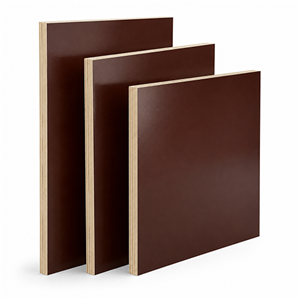
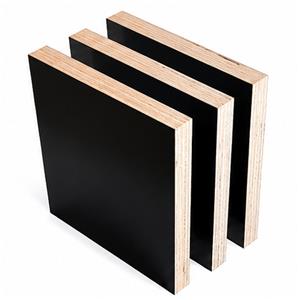
Popular film faced plywood thicknesses include 12 mm, 15 mm, 18 mm, and 21 mm. Thinner panels are lighter and may be economical where support spacing is close. Thicker panels can provide more stiffness, but they also increase weight and material cost. Engineering design should determine the appropriate thickness for the span, fresh-concrete pressure, support arrangement, and safety requirements. 18mm film faced plywood guide covers one of the most frequently specified options.
Nominal vs Actual Thickness
A specification that says only '18 mm' can still create disputes if buyer and supplier have different expectations about tolerance. Plywood is manufactured from multiple veneer layers that are pressed and calibrated, so actual thickness may vary within an agreed range. For systems that require panels to meet flush at joints, thickness consistency can be more important than the nominal label. State acceptable minimum and maximum thickness in the purchase order.
Length, Width and Squareness
Length and width tolerances affect form alignment, panel joint gaps, and cutting plans. Squareness can be checked by measuring both diagonals. If the diagonals differ significantly, the panel may be out of square. For repeated modular use, consistent dimensions reduce adjustment on site. Include dimension and squareness checks in your film faced plywood quality inspection checklist.
How Size Affects Container Loading
Panel dimensions and thickness determine the number of sheets per pack, pallet height, total bundle weight, and container utilization. A heavier core or thicker panel can reach weight limits before the container volume is full. Work with the supplier to plan bundle quantity and container loading so the packing is safe and the shipping documents match the actual load. Film faced plywood shipping guide explains the main logistics considerations.
How to Specify Sizes in an Order
Write dimensions in a clear order such as length x width x thickness, state the unit, and include tolerances. Confirm whether the quoted price is per sheet, per cubic meter, per square meter, or per container. If the panel must fit an existing formwork system, send drawings or a reference sample. For cut-to-size orders, specify edge treatment after cutting and acceptable saw quality.
Conclusion
Film faced plywood sizes should be selected as part of the formwork and logistics plan, not as an isolated purchasing decision. Standard dimensions often provide the best combination of price and availability, while custom sizes can reduce site work when volumes justify them. Clear tolerances for thickness, length, width, and squareness are essential for reliable supplier comparison.