Film Faced Plywood Price: What Determines the Cost?
Introduction
Film faced plywood price can vary substantially even when two quotations show the same size, thickness, and face color. The reason is simple: a plywood panel contains many cost components that are not visible from the surface. Core species, veneer quality, adhesive, film, pressing, calibration, edge sealing, quality control, packing, order volume, and market conditions all influence the final quotation.
Core Species and Veneer Grade
The core is one of the biggest cost drivers. Poplar, eucalyptus, birch, and combi constructions have different raw-material costs and performance characteristics. Within the same species, veneer thickness, grade, moisture control, joint quality, and defect limits can change the manufacturing cost. A low quotation may use more economical veneers or wider defect allowances even when the product name is identical.
Film and Surface Specification
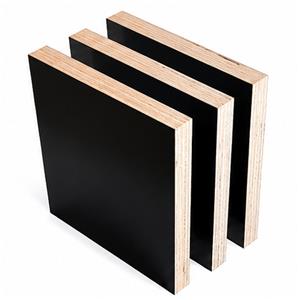
Film color is easy to see, but film weight, paper quality, resin treatment, and pressing quality matter more for cost. A supplier may offer several black-film grades at different prices. Ask for the actual film specification and compare like with like. A premium film on a weak core may not create a premium panel, so the best value comes from a balanced construction.
Thickness, Tolerance and Calibration
Thicker panels require more wood and adhesive. Tight thickness tolerances and good calibration can also increase processing requirements. If one supplier quotes nominal 18 mm with a wider tolerance and another quotes a more tightly controlled 18 mm panel, the two products are not directly comparable. Film faced plywood sizes and thicknesses explains how to specify dimensional requirements clearly.
Bonding and Edge Protection
Adhesive systems designed for demanding moisture exposure may cost more than basic interior-type bonding. Edge coating also adds material and processing. Buyers should define the required performance instead of choosing the strongest-sounding marketing term. If panels will be cut frequently on site, plan for resealing because factory edge protection cannot protect newly cut areas.
Packing, Branding and Order Quantity
Export packing can include pallets, straps, waterproof wrapping, corner protection, labels, barcodes, and private branding. Small customized orders usually carry higher unit costs than standard full-container quantities because setup and material efficiency are lower. If you need printed logos, special film colors, or non-standard dimensions, include those requirements when requesting the initial quotation.
Freight and Incoterms
Film faced plywood price should always be compared under the same Incoterm and destination. An EXW factory price, FOB port price, CFR price, and DDP landed price include different cost elements. Ocean freight changes over time, and container weight can influence logistics planning. Ask suppliers to separate product price and freight where possible so you can compare manufacturing value independently from shipping conditions. Film faced plywood packing and shipping guide can help with container planning.
How to Compare Price Correctly
Build a comparison sheet with core, size, actual thickness tolerance, film, adhesive, edge sealing, packing, quantity, Incoterm, port, and inspection requirement. Then compare total cost per expected use rather than only price per sheet. A slightly higher film faced plywood price can be justified if the panel creates cleaner concrete, lower replacement frequency, or more stable formwork performance.
Conclusion
The lowest quotation is meaningful only when specifications are equal. To understand film faced plywood price, ask what is inside the panel and what is included in the commercial terms. A detailed request for quotation is the fastest way to identify whether a price difference reflects real construction differences or simply different margins.