How to Store and Handle Film Faced Plywood on a Construction Site
Introduction
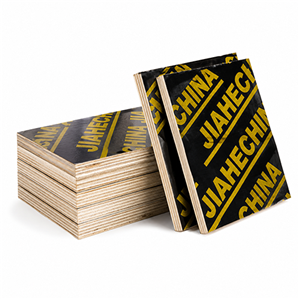
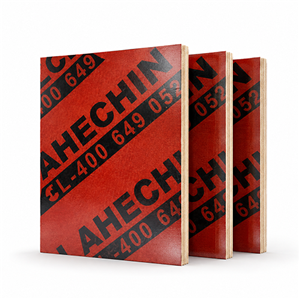
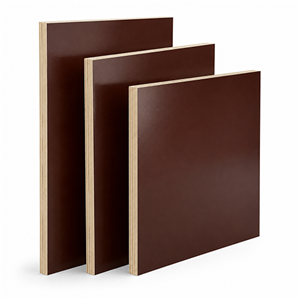
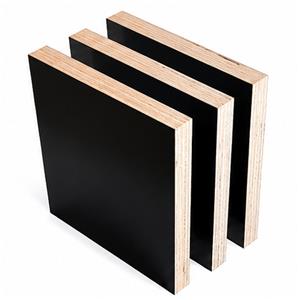
Knowing how to store film faced plywood is essential if you want consistent formwork performance. Panels can be damaged before the first concrete pour by wet ground, poor stacking, forklift impact, dragging, excessive sun exposure, or trapped moisture. Good storage and handling protect the film, corners, edges, and flatness and can improve the useful life of the formwork.
Keep Bundles Off the Ground
Place plywood on stable, level bearers so bundles are not in direct contact with soil, puddles, or uneven surfaces. Supports should be aligned to prevent sagging. A hard, drained storage area is preferable to soft ground. If rain is expected, protect the bundle, but avoid creating a sealed environment that traps moisture around wet panels for long periods.
Store Flat and Support Evenly
Film faced plywood should normally be stored flat rather than leaning for extended periods. Uneven support can encourage bowing or twisting, especially if one side experiences different moisture or temperature conditions. Keep stacks organized by size and grade so workers do not repeatedly move panels unnecessarily.
Protect Faces and Corners During Handling
Do not drag the film surface across concrete, steel, gravel, or other panels with debris between them. Lift sheets cleanly and use suitable equipment for bundles. Forklift tines can crush edges if inserted carelessly. Damaged corners often become moisture-entry points and can cause difficulties when panels are aligned in the formwork.
Dry Panels Before Long-Term Stacking
After stripping and cleaning, panels may contain surface moisture. Allow them to dry before long-term tight stacking when site conditions permit. Trapped water between faces can stain or affect the panel over time. Clean concrete residue before stacking so hardened particles do not scratch adjacent sheets. How to extend film faced plywood service life gives a complete cycle from stripping to storage.
Separate New, Reusable and Damaged Panels
Create a simple site classification system. Keep new panels protected for areas requiring the best concrete finish. Reusable panels with minor wear can be reserved for less visible forms. Panels with damaged film or swollen edges should be repaired, downgraded, or removed from critical work. This prevents a single damaged panel from reducing the quality of a finished concrete area.
Reseal Cut Edges Before Reuse
Storage is also a good time to inspect new cut edges and holes. Apply a compatible edge sealer where required and allow it to cure before the next pour. Check for loose film, splits, and delamination. Waterproof film faced plywood explained shows why exposed edges are usually more vulnerable than the film-covered face.
Conclusion
To store film faced plywood correctly, keep it flat, supported, dry, off the ground, and protected from mechanical damage. Organize panels by condition and repair vulnerable areas before the next use. These simple controls reduce avoidable waste and help the formwork team get more consistent performance from every sheet.