18mm Film Faced Plywood: Specifications, Uses and Buying Guide
Introduction
18mm film faced plywood is a common specification in concrete formwork because it provides a practical balance between stiffness, handling weight, and compatibility with many support systems. It is used in slab, wall, beam, column, and foundation formwork, but the label '18mm' alone does not define performance. Buyers should also confirm actual thickness, core construction, film, bonding, edge sealing, and panel tolerance.
Typical Dimensions and Construction
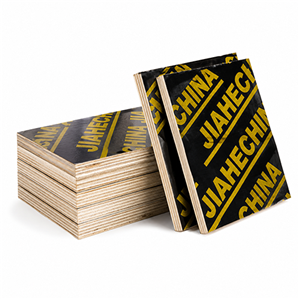
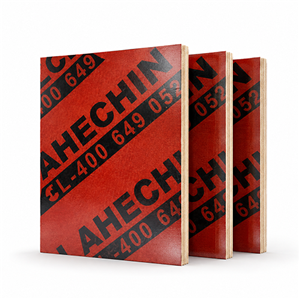
A widely traded panel size is 1220 x 2440 mm, although 1250 x 2500 mm and project-specific sizes are also available. The 18 mm thickness may be nominal, so procurement documents should state the acceptable tolerance. Common cores include poplar, eucalyptus, birch, and combi constructions. Face films are often black or brown phenolic films. Edge sealing is normally applied to reduce moisture entry through the exposed plywood edge. If you are comparing multiple thicknesses, see film faced plywood sizes and thicknesses.
Where 18mm Panels Are Used
18mm film faced plywood is frequently selected for slab decking and wall forms where the engineering design provides suitable support spacing. It is also used for beam sides, column forms, foundation work, precast molds, and temporary construction platforms where a film surface is beneficial. Structural suitability must be determined by the formwork design; plywood thickness should never be chosen without considering span, loading, support arrangement, and safety factors.
What Makes One 18mm Panel Better Than Another?
Panel quality is strongly influenced by veneer selection and assembly. Internal voids, poor joints, uneven veneer moisture, or insufficient pressing can reduce performance even when the panel looks perfect from the outside. Film quality affects surface durability, while bonding quality affects resistance to moisture-related delamination. Calibration controls thickness and flatness. A buyer should inspect cut edges, corners, surface consistency, thickness at several points, and bonding of a sample before approving mass production. Use a film faced plywood quality inspection checklist to standardize the process.
Black vs Brown 18mm Film Faced Plywood
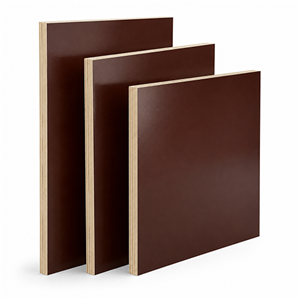
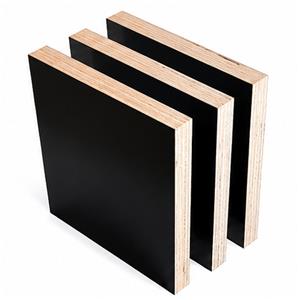
Color is usually a purchasing preference rather than a direct quality grade. Black film faced plywood is common in many markets, while brown film is also widely used for formwork. A darker or glossier surface is not automatically stronger. Compare film weight, resin content, overlay consistency, core, adhesive, and factory quality control. If two quotations have the same color but very different prices, the difference is likely to be inside the panel or in the film specification rather than the color itself. See black vs brown film faced plywood for a detailed comparison.
Buying and Shipping Considerations
For international orders, specify how many sheets are packed per bundle, pallet material, steel or plastic straps, corner protection, waterproof wrapping, and container loading method. Panel moisture and packing density can affect container weight. Confirm whether the supplier provides pallet labels with size, thickness, quantity, batch number, and destination marks. Before shipment, random inspection can verify dimensions, appearance, packing, and quantity. For larger projects, retain a signed reference sample as the quality benchmark.
Conclusion
18mm film faced plywood is a versatile formwork panel, but purchasing decisions should be based on complete construction rather than nominal thickness. A clear specification and sample approval process help buyers receive consistent panels from batch to batch. When asking for a quotation, provide application, size, actual-thickness tolerance, core preference, face film, edge color, packing, destination, and estimated quantity so the supplier can recommend the right grade.