Film Faced Plywood Packing and Shipping Guide for International Buyers
Introduction
Film faced plywood shipping is an important part of product quality. Panels can leave the factory in good condition and still arrive with crushed corners, wet edges, broken straps, or shifted bundles if export packing and container loading are poorly planned. International buyers should include packing specifications in the purchase order rather than treating packaging as an afterthought.
Bundle and Pallet Design
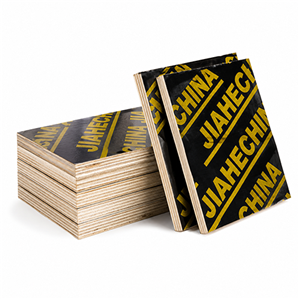
Plywood is commonly packed in bundles supported by wooden pallets or bearers. The support arrangement should keep sheets flat and allow safe forklift handling. Bundle height and sheet count should be selected according to panel thickness, core density, container payload, warehouse equipment, and customer unloading practice. Very heavy bundles may be efficient for loading but difficult or unsafe for the receiving warehouse.
Surface and Edge Protection
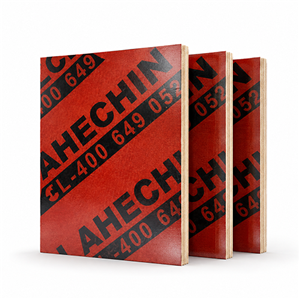
Use protective sheets or covers where appropriate so straps and handling do not directly damage the film surface. Corners and exposed edges deserve special attention because impacts can break veneers or chip the film. Waterproof wrapping can reduce exposure during short outdoor handling, but packaging should not be relied on for long-term outdoor storage.
Strapping and Stability
Bundles are typically secured with steel or high-strength plastic straps. The strap tension should stabilize the pack without crushing panel edges. Inside the container, bundles should be loaded and blocked to reduce movement during sea transport. Empty spaces, poor weight distribution, or unstable stacking can lead to impact damage. Container doors should close without pressing directly against unprotected bundle edges.
Weight and Container Planning
Film faced plywood shipping is constrained by both container volume and legal or carrier weight limits. A dense eucalyptus or birch core may reach the weight limit with fewer sheets than a light poplar core. Ask the supplier for estimated net and gross weights before loading. The final packing list should reflect actual quantities and weights as accurately as possible.
Labels and Documentation
Each pack can be marked with product name, size, thickness, quantity, batch number, brand, order number, and destination marks according to buyer requirements. Confirm commercial invoice, packing list, bill of lading instructions, certificate documents, and any market-specific paperwork before the vessel cutoff. If private labels or barcodes are required, approve artwork before production.
Pre-Shipment Inspection
A pre-shipment inspection should check product quantity, panel condition, dimensions, packing, labels, pallet stability, and container loading. Photograph closed bundles, open sample sheets, labels, container number, seal number, and loading sequence. Combine this logistics inspection with a film faced plywood quality inspection checklist for a more complete shipment record.
After Arrival
Inspect the container and bundles before unloading. Photograph visible damage immediately if a claim may be required. Store the plywood flat, off the ground, and protected from prolonged weather exposure. If the container experienced moisture or condensation, allow bundles to acclimate appropriately and inspect edges before long-term storage. See how to store film faced plywood for site and warehouse guidance.
Conclusion
Good film faced plywood shipping protects the value created during manufacturing. Clear packing requirements, reasonable bundle weights, stable container loading, accurate labels, and documented inspection reduce transit damage and make receiving easier. Buyers who standardize these details can improve consistency across every shipment.