Black Film Faced Plywood vs Brown Film Faced Plywood: What Is the Difference?
Introduction
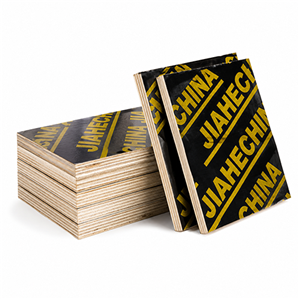
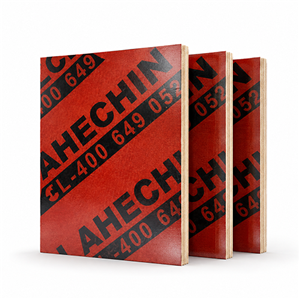
Black film faced plywood and brown film faced plywood are two of the most familiar products in the formwork market. Buyers sometimes assume one color represents a higher grade, but color by itself does not determine strength, durability, bonding, or reuse. The real difference comes from the film specification and the plywood construction underneath it. Understanding this distinction helps buyers compare quotations more accurately.
What Creates the Black or Brown Surface?
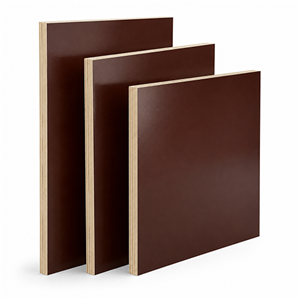
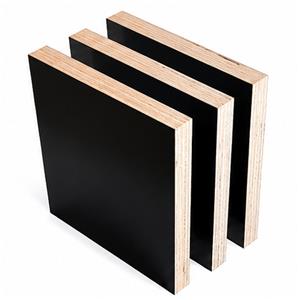
The visible face is a resin-treated film bonded to the plywood during hot pressing. Pigments create the black or brown appearance, while the film's paper base, resin system, weight, pressing conditions, and surface finish influence performance. A manufacturer can produce different grades in the same color. Therefore, a black surface can be used on an economical poplar-core panel or on a higher-specification panel, and the same is true for brown film.
Does Color Affect Concrete Finish?
Both black film faced plywood and brown film faced plywood can produce smooth concrete when the panel surface is consistent and the formwork is correctly assembled. Surface marks are more likely to come from damaged film, panel joints, contamination, release-agent application, fasteners, or formwork movement than from the pigment color. For architectural concrete, buyers should approve a panel sample and run a site trial instead of relying on color descriptions. See how film faced plywood affects concrete surface finish.
Which One Has Better Reuse?
Reuse depends on core quality, veneer bonding, film durability, edge protection, stripping method, cleaning, storage, and the geometry of the form. A high-quality brown panel can outlast a low-quality black panel, and a high-quality black panel can outlast a low-quality brown panel. If a supplier promises a specific number of cycles only because of the film color, ask for more technical detail. Film faced plywood reuse factors explains the variables that actually matter.
How to Compare Quotations
When comparing black film faced plywood with brown options, request the same core, thickness, film weight, adhesive system, tolerance, size, and packing so color is the main variable. Otherwise, the comparison is not meaningful. Ask for edge photos and a cut sample to inspect veneer construction. Confirm whether the film is applied to both faces and whether the edges are sealed. Check that quoted dimensions and thickness tolerances are the same between suppliers.
Which Color Should You Buy?
Choose the color your market, contractor, or distribution channel prefers, then judge quality using technical criteria. Importers sometimes maintain black and brown options to serve different regional habits or customer segments. Contractors may simply reorder the color used in their existing formwork system. If there is no market preference, focus on performance and cost rather than appearance. A good supplier should be able to offer equivalent constructions in multiple film colors when production conditions allow.
Conclusion
Black film faced plywood is not automatically better or worse than brown film faced plywood. Color is only one visible feature of a multi-layer engineered panel. For a reliable purchase decision, compare the core, film, bonding, thickness, tolerances, edge sealing, and quality-control system. Approve a sample that reflects the exact quotation, then use that sample as the standard for the production order.